Introduction:
If there is one silent reason most forex traders fail, it is not lack of indicators, not lack of signals, and not even lack of strategy. It is poor forex stop loss discipline. You can have the best entries in the world and still lose everything if your trading stop loss is wrong or completely ignored.
Many traders treat stop loss as an afterthought. They focus heavily on entries, confirmations, and indicators, yet spend barely a few seconds deciding where to place their stop. That mindset alone is enough to guarantee long term losses. The market does not reward hope. It rewards structure, discipline, and risk control.

Forex risk management is not optional. It is the foundation that separates professional traders from gamblers. Every institutional trader, prop firm, and algorithmic system treats stop loss as a non negotiable rule. Retail traders who fail to do the same usually learn the hard way.
In volatile forex markets, price can move hundreds of pips in minutes. News events, liquidity grabs, stop hunts, and algorithmic spikes can wipe out weeks or months of profit in a single bad trade. This is exactly why learning how to set stop loss in volatile forex markets is no longer optional.
This guide breaks down forex stop loss strategies that actually work in real trading conditions. Not theory. Not textbook definitions. These are battle tested principles used by experienced traders to survive drawdowns, protect capital, and stay in the game long enough to win.
By the end of this article, you will understand
- Why most traders place stop losses in the wrong places
- The best stop loss percentage for forex day trading
- How ATR stop loss strategy works for forex beginners
- The real difference between trailing stop loss vs fixed stop loss forex
- How to protect your account from devastating losses that end trading careers
If you skip these lessons, you are not just risking profits. You are risking your entire trading future.
Forex Stop Loss Strategies Explained. What A Trading Stop Loss Really Does
A forex stop loss is a predefined price level where your trade automatically closes to limit losses. It is your emergency exit. It exists to protect your trading capital from unpredictable market moves.
However, most traders misunderstand its true role.
A stop loss is not meant to be tight. It is not meant to guarantee winning trades. It is meant to ensure that no single trade can destroy your account.
In professional forex risk management, the stop loss is designed around
- Market structure
- Volatility
- Liquidity behavior
- Account risk tolerance
When traders place stop losses randomly, emotionally, or too close to price, they become easy targets for stop hunts. This is why many traders complain that price always hits their stop before reversing. The problem is not the market. The problem is poor stop placement.
A proper trading stop loss should
- Make logical sense on the chart
- Be placed where your trade idea is invalidated
- Align with your risk to reward plan
- Protect your capital above all else
Without these principles, even a high win rate strategy will fail over time.
Forex Risk Management Secret 1. Structure Based Forex Stop Loss Placement
Structure based stop loss strategies are among the most reliable methods in forex trading. They align your stop with how the market actually moves.

What Is Structure Based Stop Loss In Forex Risk Management
Market structure refers to swing highs, swing lows, higher highs, lower lows, and key support or resistance levels. These areas represent where buyers and sellers previously took control.
A structure based forex stop loss is placed beyond these levels. If price breaks them, your trade idea is no longer valid.
How To Use Structure Based Trading Stop Loss
For buy trades
- Place stop loss below the previous swing low
- Ensure the stop is beyond obvious liquidity zones
For sell trades
- Place stop loss above the previous swing high
- Avoid placing it at obvious round numbers
This approach prevents premature stop outs caused by normal price fluctuations.
Why This Forex Stop Loss Strategy Works
- It respects market logic instead of emotions
- It avoids random stop placement
- It aligns with institutional trading behavior
Many professional traders consider structure based stop loss the backbone of forex risk management.
Forex Risk Management Secret 2. Best Stop Loss Percentage For Forex Day Trading
One of the most searched questions in forex trading is the best stop loss percentage for forex day trading. While there is no single perfect number, there are proven guidelines.
The Golden Rule Of Forex Risk Management
Never risk more than 1 percent to 2 percent of your account on a single trade.
This rule exists because even the best strategies experience losing streaks. Risking more than this exposes your account to rapid drawdowns.
Recommended Stop Loss Percentage Table
| Trading Style | Risk Per Trade | Stop Loss Approach |
|---|---|---|
| Scalping | 0.5 percent to 1 percent | Tight structure based |
| Day Trading | 1 percent | ATR or structure based |
| Swing Trading | 1 percent to 2 percent | Wider structure based |
| Automated Trading | 0.5 percent to 1 percent | Fixed logic based |
This table helps traders match their stop loss strategies to their trading style without emotional decisions.
Why This Prevents Devastating Losses
- Preserves capital during losing streaks
- Allows consistency across trades
- Prevents emotional revenge trading
Forex traders who ignore risk percentages rarely survive long term.
Forex Stop Loss Strategies Secret 3. ATR Stop Loss Strategy For Forex Beginners
The ATR stop loss strategy is one of the most beginner friendly yet powerful forex stop loss strategies available.
What Is ATR In Forex Risk Management
ATR stands for Average True Range. It measures market volatility. In simple terms, it tells you how much price typically moves.
Using ATR allows your trading stop loss to adapt to market conditions instead of being fixed.
How To Set ATR Stop Loss In Forex
- Identify the ATR value on your timeframe
- Multiply ATR by a factor, usually 1.5 to 2.5
- Place stop loss that distance from your entry
For example, if ATR is 20 pips
- Stop loss at 30 to 50 pips
Why ATR Stop Loss Strategy Works
- Adapts to volatile forex markets
- Reduces stop hunts
- Aligns with realistic price movement
According to research published by Investopedia, volatility adjusted stop losses significantly improve risk management consistency when compared to fixed pip stops. You can explore more about ATR concepts on Investopedia through this contextual guide on volatility and risk management.
This strategy is especially useful for forex beginners who struggle with emotional stop placement.
Forex Risk Management Secret 4. How To Set Stop Loss In Volatile Forex Markets
Volatility is where most traders lose money fast. News releases, sessions overlaps, and algorithmic spikes can wipe accounts.
Common Mistakes Traders Make In Volatile Markets
- Using the same stop size for all conditions
- Trading news without volatility buffers
- Ignoring spread expansion
Smart Forex Stop Loss Strategies For Volatile Markets
- Use ATR based stop loss instead of fixed pips
- Increase stop size but reduce position size
- Avoid placing stops near obvious liquidity levels
This approach keeps your risk constant while adapting to market conditions.
Professional traders often reduce lot size during high volatility instead of tightening stops. This is a critical mindset shift.
A practical explanation of volatility driven stop placement is also discussed in educational resources provided by BabyPips, particularly in their forex risk management lessons which explain how volatility impacts stop loss behavior.
Forex Stop Loss Strategies Secret 5. Trailing Stop Loss Vs Fixed Stop Loss Forex
This debate divides traders. Both approaches work, but only when used correctly.
Fixed Stop Loss In Forex Trading
A fixed stop loss stays in one position until hit or manually adjusted.
Pros
- Simple to manage
- Clear risk defined
- Ideal for beginners
Cons
- Does not lock profits
- Can give back gains
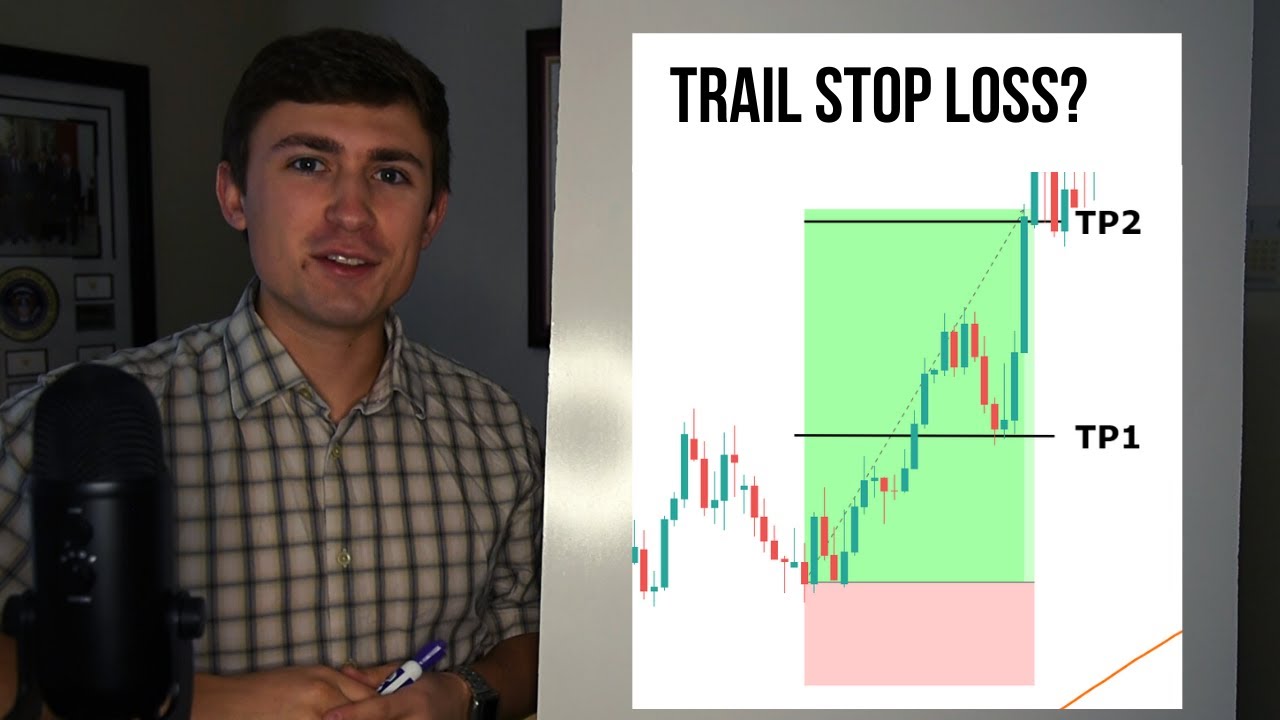
Trailing Stop Loss In Forex Trading
A trailing stop moves with price as the trade becomes profitable.
Pros
- Locks in profits
- Reduces emotional decision making
Cons
- Can stop trades too early
- Requires experience
Which Is Better For Forex Risk Management
The best approach is hybrid
- Start with fixed stop loss
- Trail only after structure confirmation
This method balances protection and profit potential.
Forex Risk Management Secret 6. Stop Loss Placement Based On Liquidity And Stop Hunts
Liquidity is where large players operate. Retail traders often place stops exactly where liquidity is targeted.
Common Stop Loss Mistakes
- Placing stops at equal highs or lows
- Using round numbers like 1.1000
- Copying stop placement from social media
Smart Trading Stop Loss Placement
- Place stops beyond liquidity zones
- Add buffer pips to structure levels
- Avoid obvious retail clusters
Understanding liquidity behavior dramatically reduces unnecessary stop outs.
Forex Stop Loss Strategies Secret 7. Psychological Discipline And Stop Loss Respect
The best forex stop loss strategy fails without discipline.
Emotional Errors That Destroy Accounts
- Removing stop loss after entry
- Widening stops to avoid losses
- Revenge trading after stop outs
Professional Forex Risk Management Mindset
- Losses are business expenses
- One trade does not define you
- Survival comes before profits
Traders who respect their trading stop loss survive long enough to master execution.
Forex Stop Loss Strategies Comparison Table
| Strategy | Best For | Strength | Weakness |
|---|---|---|---|
| Structure Based | All traders | Logical placement | Requires chart skill |
| ATR Stop Loss | Beginners | Volatility adaptive | Needs ATR understanding |
| Fixed Stop Loss | Beginners | Simplicity | No profit protection |
| Trailing Stop Loss | Experienced traders | Profit locking | Early exits risk |
| Percentage Based | All traders | Capital protection | Requires discipline |
Focus Keywords High Density List
- forex stop loss
- stop loss strategies
- forex risk management
- trading stop loss
- best stop loss percentage for forex day trading
- how to set stop loss in volatile forex markets
- ATR stop loss strategy for forex beginners
- trailing stop loss vs fixed stop loss forex
Conclusion:
Every successful forex trader eventually learns a hard truth. The market does not reward hope, confidence, or even intelligence. It rewards discipline, patience, and respect for risk. Forex stop loss strategies sit at the center of that truth. They are not optional tools or backup plans. They are the thin line between controlled losses and devastating account destruction.
Most traders enter the market dreaming about profits, freedom, and consistency. Very few begin by thinking deeply about forex risk management. That is why the majority never last long enough to develop real skill. A single unmanaged trade, one emotional decision to remove a trading stop loss, or one moment of overconfidence can erase months or years of effort. This is not an exaggeration. It is the everyday reality of retail forex trading.
Mastering stop loss strategies forces you to think like a professional. It shifts your focus away from predicting price and toward managing uncertainty. You stop asking, how much can I make, and start asking, how much can I afford to lose. That mindset alone dramatically improves long term survival. When losses are controlled, confidence grows naturally, decision making improves, and emotional pressure fades.
In volatile forex markets, proper stop loss placement becomes even more critical. Volatility is not your enemy when managed correctly. It only becomes dangerous when traders use rigid or poorly planned stop losses. By learning how to set stop loss in volatile forex markets using tools like structure and ATR, you allow price the space it needs to move while still protecting your account. This balance is where professional level trading begins.
Understanding the difference between trailing stop loss vs fixed stop loss forex also marks a turning point in a trader’s journey. Beginners need simplicity and protection. Experienced traders need flexibility and profit preservation. Knowing when to use each approach prevents premature exits while still locking in gains when the market offers them.
Perhaps the most overlooked aspect of forex stop loss strategies is psychology. The market will test your patience, your discipline, and your emotional control. Stop losses are not just technical tools. They are psychological anchors. They prevent fear from escalating and greed from taking over. Traders who respect their stop loss respect their capital, and traders who respect their capital stay in the game long enough to succeed.
If there is one message to take from this guide, it is this. You do not need a perfect strategy to win in forex. You need a strong risk management framework that protects you when you are wrong. Losses are inevitable. Catastrophic losses are not. The difference lies in how well you apply forex stop loss strategies consistently, without compromise.
Ignore these principles, and the market will eventually punish you. Apply them with discipline, and you give yourself something rare in trading. Time. Time to learn, time to improve, and time to become consistently profitable.
Frequently Asked Questions About Forex Stop Loss Strategies
1. What is a forex stop loss
A forex stop loss is a predefined price level where a trade automatically closes to limit potential losses.
2. Why is stop loss important in forex trading
Stop loss protects your trading capital and prevents a single trade from wiping out your account.
3. What happens if I trade without a stop loss
Trading without a stop loss exposes you to unlimited risk and often leads to devastating losses.
4. What is the best stop loss strategy for forex beginners
ATR based stop loss combined with percentage risk management is ideal for beginners.
5. How many pips should my forex stop loss be
There is no fixed number. It depends on market structure, volatility, and timeframe.
6. What is the best stop loss percentage for forex day trading
Most professionals recommend risking between 0.5 percent and 1 percent per trade.
7. Can I risk 5 percent per trade in forex
Risking 5 percent is extremely dangerous and can quickly destroy your account during losing streaks.
8. What is forex risk management
Forex risk management is the process of controlling losses and protecting capital through position sizing and stop loss rules.
9. How do professional traders place stop losses
They use market structure, volatility, and liquidity awareness rather than random pip distances.
10. Why does price always hit my stop loss
Most traders place stops in obvious areas where liquidity is targeted by large players.
11. What is ATR stop loss strategy for forex beginners
It uses market volatility to determine stop loss distance instead of fixed pips.
12. Is ATR stop loss better than fixed stop loss
ATR stop loss adapts to market conditions while fixed stop loss does not.
13. What timeframe is best for stop loss placement
Stop loss should always be placed based on the timeframe you trade, not lower timeframes.
14. Should I move my stop loss after entering a trade
Only move stop loss according to a predefined plan, never emotionally.
15. What is trailing stop loss in forex
A trailing stop loss moves with price to lock in profits as the trade progresses.
16. Trailing stop loss vs fixed stop loss forex which is better
Both work when used correctly. Fixed is better for beginners, trailing suits experienced traders.
17. Can trailing stop loss reduce profits
Yes, if used too early it can close trades before full moves develop.
18. How do I avoid stop hunts in forex
Place stops beyond structure and liquidity zones instead of obvious highs and lows.
19. Should stop loss be tight or wide
It should be logical, not tight or wide. It must invalidate your trade idea.
20. What is structure based stop loss
It is a stop placed beyond key swing highs or lows where market structure breaks.
21. Is structure based stop loss reliable
Yes, it aligns with how institutions and smart money trade.
22. How do I set stop loss in volatile forex markets
Use ATR, reduce position size, and allow wider stops to accommodate volatility.
23. Is news trading safe with stop loss
News trading is risky even with stop loss due to slippage and spread expansion.
24. Can stop loss guarantee profits
No. Stop loss limits losses but does not guarantee winning trades.
25. Why do traders remove stop loss
Fear, hope, and emotional attachment to trades cause traders to break rules.
26. What is the biggest stop loss mistake
Moving or removing stop loss to avoid accepting a loss.
27. How does stop loss affect psychology
It reduces emotional stress and allows traders to think objectively.
28. Can automated trading use stop loss
Yes. All professional EAs use predefined stop loss rules.
29. Should stop loss be placed before or after entry
Always before or immediately after entry.
30. Is it okay to widen stop loss
Only if it aligns with your original risk plan. Never widen emotionally.
31. What is risk to reward ratio in forex
It compares potential profit to potential loss on a trade.
32. What is a good risk to reward ratio
Most traders aim for at least 1 to 2 or higher.
33. Does a high win rate remove the need for stop loss
No. Even high win rate strategies fail without risk control.
34. Can stop loss be used in long term trading
Yes. Swing and position traders rely heavily on stop loss.
35. How does liquidity affect stop loss placement
Liquidity zones attract price and often trigger retail stop losses.
36. Should I copy stop loss levels from other traders
No. Every trade and account size is different.
37. Can I adjust stop loss after partial profits
Yes, if it is part of your strategy such as break even moves.
38. What is break even stop loss
It moves stop loss to entry price to eliminate risk.
39. Is break even stop loss always good
No. It can cause premature exits if used too early.
40. How do I calculate position size with stop loss
Use your account balance, risk percentage, and stop loss distance.
41. Should stop loss be based on money or pips
It should be based on structure and volatility, then converted into monetary risk.
42. Can stop loss protect against gaps
It helps but gaps can cause slippage beyond stop loss.
43. Do professional traders ever take losses
Yes. Losses are part of trading and are planned expenses.
44. How many losses in a row are normal
Even good strategies can experience 5 to 10 consecutive losses.
45. Can stop loss prevent emotional trading
Yes. It enforces discipline and prevents panic decisions.
46. Should I use the same stop loss for every trade
No. Each trade has different structure and volatility.
47. Is stop loss more important than entry
Yes. Poor risk management destroys even perfect entries.
48. How long does it take to master stop loss strategies
It improves with experience, journaling, and consistent rule enforcement.
49. What happens if I ignore forex risk management
Most traders blow accounts and quit trading permanently.
50. What is the biggest benefit of using stop loss
It gives you longevity in the market, which is the real edge in forex trading.