Forex Trading vs Stock Trading Which is Better 9 Brutal Facts That Might Shock You
Introduction:
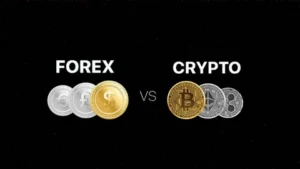
The question forex trading vs stock trading which is better has become one of the most searched and debated topics among aspiring traders, investors, and side-income seekers worldwide. With countless success stories flooding social media and just as many silent failures hidden behind them, choosing the wrong market can cost you more than money. It can cost you time, confidence, and years of missed opportunity. This is exactly why understanding the real difference between forex trading vs stock trading is not optional anymore. It is a decision that shapes how you interact with the financial markets for years to come.
At first glance, both markets promise freedom, flexibility, and financial growth. Forex trading attracts people with its 24 hour access, high liquidity, and the ability to start with relatively small capital. Stock trading, on the other hand, carries a sense of stability and legitimacy, backed by real companies, dividends, and long-term wealth narratives. Beginners often feel torn between these two worlds, unsure whether forex vs stocks is a matter of skill, personality, or pure luck. The truth is more complex and far less forgiving than most online gurus admit.
Many new traders jump in without fully understanding how these markets actually work. They follow hype, copy strategies, or listen to biased advice that highlights profits while ignoring risks. This is where most people get hurt. Forex trading compared to stock market investing is not just about charts and indicators. It is about leverage, psychology, regulation, time commitment, and how quickly mistakes are punished. One wrong assumption can wipe out weeks or months of progress.

This article is written to strip away illusions and replace them with clarity. If you are asking is forex trading better than stock trading or forex vs stock trading for beginners, you deserve honest answers, not marketing slogans. You need to know what traders rarely talk about. How leverage magnifies losses faster than gains. Why accessibility can be both a blessing and a trap. Why some people thrive in forex while others quietly succeed in stocks, and why switching markets without understanding yourself often ends badly.
We will explore forex trading vs stock trading through nine brutal facts that most beginners discover too late. These facts are not meant to scare you away from trading. They are meant to prepare you. Preparation is what separates disciplined traders from gamblers. Throughout this guide, we will break down each market in simple language, compare them side by side, and explain what kind of person each market truly favors.
If you are serious about protecting your capital and making informed decisions, this comparison will help you avoid costly mistakes before they happen. Read this not as entertainment, but as a filter. By the end, you should have a clear answer to which market aligns with your goals, your risk tolerance, and your mindset. Because in trading, choosing the wrong battlefield is often the first and most expensive mistake.
What Forex Trading and Stock Trading Really Are
Before we dive into truth bombs, let’s clarify what we mean by these markets.
Forex trading refers to buying and selling currencies in the foreign exchange market. You trade currency pairs like EUR/USD, GBP/JPY, or USD/NGN in hopes of profiting from exchange rate movements.
Stock trading means buying and selling shares of individual companies like Apple, Tesla, or Amazon on regulated exchanges such as the New York Stock Exchange (NYSE) or Nasdaq.
These markets behave very differently, and knowing those differences can make or break your trading success. (EBC Financial Group)
Fact 1 Liquidity and Market Size
When it comes to sheer size and liquidity, forex trading beats stock trading by a landslide.
- The forex market trades over $6 trillion daily, making it the largest financial market in the world. (IG)
- The global stock market total daily volume is much smaller and fragmented across exchanges and thousands of individual stocks. (EBC Financial Group)
Why it matters:
High liquidity in forex means tighter spreads, faster trade execution, and less slippage—even with large orders. Stocks can be liquid too, but liquidity varies widely by company and sector.
Brutal reality: For beginners, that liquidity can feel stabilizing but it also allows huge fast moves, especially around economic announcements.
Fact 2 Trading Hours
This is one of the most often misunderstood differences in forex vs stock trading:
- Forex market: open 24 hours a day, five days a week because it spans multiple global time zones. (forexexplore.com)
- Stock markets: operate on fixed exchange hours, e.g. NYSE from 9:30 am–4:00 pm EST. (EBC Financial Group)
Implication:
Forex gives traders flexibility. You can define your trading times around work or personal commitments. Stock trading is more rigid, though after-hours trading does exist.
Fact 3 Leverage and Risk Amplification
One of the most emotional points in forex trading vs stock trading:
- Forex brokers often offer extremely high leverage, sometimes 50:1, 100:1, or more. (STOFS)
- Stock trading leverage is usually much lower — often around 2:1 to 4:1. (9X)
Why this matters:
Leverage magnifies profits and losses. You can control a large position with a small account balance, but a single adverse move can wipe out a trading account.
This is why risk management and discipline are non-negotiable in forex. Without them, leverage becomes a liability more than an advantage.
Fact 4 Cost and Fees Structure
In terms of cost, both markets differ again:
Forex trading costs typically come from spreads alone. Many brokers charge no separate commission. (IG)
Stock trading often includes both a spread and explicit brokerage fees per trade. (fxpredator.com)
What this means:
For active traders, costs accumulate. Forex spreads may be tighter, but high leverage amplifies costs if risk management is weak.

Fact 5 Volatility and Market Drivers
The drivers of price movement in forex and stocks vary:
- Forex trading is influenced by macroeconomic events like interest rates, GDP, inflation, and geopolitics. (EBC Financial Group)
- Stock trading prices often respond to company earnings, management changes, product news, and sector sentiment.
Volatility reality:
Forex can move fast and unpredictably during news events, making it attractive to day traders but dangerous for the unprepared.
Stock markets can also be volatile, but often in different ways — sometimes slower, sometimes reactive to company-specific events. (forex.academy)
Fact 6 Regulation and Transparency
In terms of safety:
- Stocks: traded on regulated exchanges with strict reporting requirements for listed companies. (EBC Financial Group)
- Forex: decentralised market, where regulation depends heavily on broker jurisdiction. (fxpredator.com)
Bottom line:
Unless you choose a well-regulated forex broker, you might be exposed to counterparty risk and less oversight. Stock markets typically have built-in investor protections.
Fact 7 Accessibility for Beginners
Beginners often ask: forex vs stock trading for beginners, which is easier?
Here’s the honest take:
Stock trading is conceptually simpler — buy a share of a company you believe will rise over time.
Forex involves understanding currency correlations, macroeconomic indicators, and often advanced charting.
Many find stock trading more intuitive initially, though forex’s accessible hours and lower minimum capital attract many newbies. (blog.elearnmarkets.com)
Fact 8 Ownership and Long-Term Value
This is a part many traders overlook:
- When you buy stocks you own part of a company. This may include dividends and long-term growth. (fxpredator.com)
- In forex you are speculating on currency movement and never own the underlying asset. (blogs.tradefxp.com)
Long-term wealth building:
Stock ownership aligns more naturally with buy-and-hold investing strategies. Forex generally attracts short-term speculation.
Fact 9 Emotion, Psychology and Strategy
Both markets test emotional control:
- Forex can punish impulsive traders quickly because of high volatility and leverage.
- Stocks can lull traders into complacency, which may lead to poor timing or holding positions too long.
Successful trading requires discipline, structured entry exit rules, risk management, and emotional detachment regardless of market. There is no shortcut.
Forex Trading vs Stock Trading Comparison Table
| Feature | Forex Trading | Stock Trading |
|---|---|---|
| Market Size | Largest globally high liquidity (IG) | Smaller and exchange specific (EBC Financial Group) |
| Trading Hours | 24 hours, 5 days | Fixed exchange hours (forexexplore.com) |
| Leverage | High, sometimes extreme (STOFS) | Low to moderate (9X) |
| Costs | Spreads only (IG) | Spreads plus commission (fxpredator.com) |
| Volatility | Macro driven | Company and sector driven (EBC Financial Group) |
| Ownership | No | Yes, can receive dividends (fxpredator.com) |
| Regulation | Depends on broker (fxpredator.com) | Strict exchange regulation (EBC Financial Group) |
| Beginner Friendly | Mixed depending on goals (blog.elearnmarkets.com) | Often more intuitive (blog.elearnmarkets.com) |
Summary:
The debate around forex trading vs stock trading which is better continues to attract beginners and experienced market participants alike, largely because both markets offer unique opportunities and equally serious risks. This post breaks down the comparison in a practical, honest way, focusing on what truly matters before risking real money. Instead of hype or exaggerated profit claims, it highlights nine core realities that shape success or failure in both markets.
Forex trading and stock trading differ fundamentally in structure, behavior, and purpose. Forex trading revolves around currency pairs and is driven mainly by global macroeconomic factors such as interest rates, inflation, and geopolitical events. It operates 24 hours a day, five days a week, offering unmatched flexibility and extremely high liquidity. Stock trading, by contrast, involves buying and selling shares of companies on regulated exchanges during fixed trading hours. Stock prices are influenced more by company performance, earnings, and sector trends.
One major difference explored is market size and liquidity. The forex market is the largest financial market in the world, allowing fast execution and tight spreads. Stocks vary widely in liquidity depending on the company, meaning execution and price movement can differ significantly. Trading hours also separate the two, with forex offering round-the-clock access while stocks follow structured exchange schedules.
Leverage is another defining factor. Forex trading typically offers much higher leverage, which can amplify profits but also accelerate losses. This makes risk management absolutely critical. Stock trading generally offers lower leverage, which can reduce the speed at which losses occur but may also limit short-term returns. Costs also differ, with forex traders usually paying spreads only, while stock traders often face commissions and additional fees.
Volatility and market drivers further distinguish forex trading compared to the stock market. Forex reacts strongly to economic news and global events, often creating sharp and rapid price movements. Stocks respond more to company-specific developments, making them more suitable for fundamental analysis and long-term investment strategies.
Regulation and transparency are addressed as key considerations. Stock markets operate under strict regulatory frameworks that protect investors and enforce reporting standards. Forex is decentralized, meaning trader safety depends heavily on choosing a reputable and regulated broker.
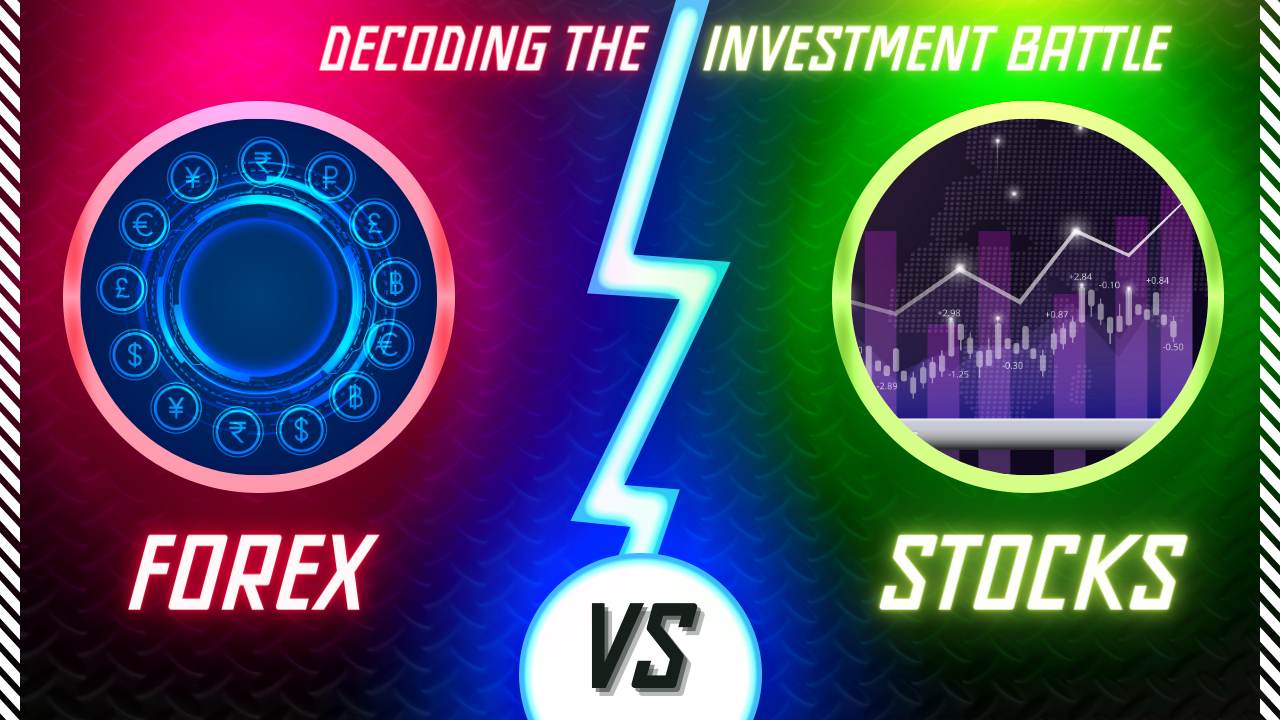
For beginners, accessibility can be both an advantage and a trap. Forex often allows smaller starting capital and flexible trading times, but its complexity and leverage can overwhelm unprepared traders. Stock trading is often easier to understand conceptually, especially for those interested in long-term ownership and dividends.
Ultimately, the post concludes that there is no universal winner in the forex vs stocks debate. Forex trading suits disciplined, risk-aware traders who prefer short-term opportunities and can manage emotional pressure. Stock trading favors those who value ownership, long-term growth, and a more structured environment. The best choice depends on personal goals, risk tolerance, time commitment, and mindset. Choosing the right market is less about profit potential and more about alignment with who you are as a trader.
Frequently Asked Questions (FAQs)
1. What is the main difference between forex trading and stock trading
Forex trading involves buying and selling currency pairs, while stock trading involves buying and selling shares of companies listed on stock exchanges.
2. Forex trading vs stock trading which is better for beginners
Stock trading is often easier for beginners because it is more intuitive and less leveraged. Forex trading can be more complex due to leverage and macroeconomic factors.
3. Is forex trading riskier than stock trading
Yes, forex trading is generally riskier because of high leverage, which can magnify losses quickly if risk management is poor.
4. Can I start forex trading with less money than stock trading
Yes, forex trading usually allows lower capital entry compared to stock trading, which often requires higher capital to diversify properly.
5. Is forex trading better than stock trading for short term profits
Forex trading is more suitable for short term trading because of high liquidity, frequent price movements, and 24 hour market access.
6. Is stock trading better for long term investing
Yes, stock trading is better suited for long term investing because traders can own shares, earn dividends, and benefit from company growth.
7. Which market is more liquid, forex or stocks
The forex market is far more liquid than the stock market, with trillions traded daily across global currency pairs.
8. Do I own anything when I trade forex
No, forex trading does not involve ownership. You are speculating on price movement between currencies.
9. Do I own shares when I trade stocks
Yes, stock trading gives you ownership in a company, which may include voting rights and dividends.
10. Which market is more regulated, forex or stocks
Stock markets are generally more regulated. Forex regulation depends on the broker and jurisdiction.
11. Can I trade forex and stocks at the same time
Yes, many traders participate in both markets to diversify strategies and opportunities.
12. Is forex trading legal worldwide
Forex trading is legal in most countries, but regulations and broker requirements vary by region.
13. Are stock markets safer than forex markets
Stock markets are often considered safer due to stronger regulation and transparency, but no market is risk free.
14. Which market is better for day trading
Forex trading is popular for day trading because of constant price movement and flexible trading hours.
15. Which market is better for passive income
Stock trading is better for passive income through dividends and long term holding strategies.
16. Does forex trading require more screen time
Yes, forex trading often requires more active monitoring, especially for short term strategies.
17. Is stock trading slower than forex trading
Generally yes. Stock price movements can be slower and more predictable compared to forex.
18. Can news affect forex and stock trading
Yes, both markets react to news. Forex responds more to economic data, while stocks react more to company news.
19. Is leverage mandatory in forex trading
No, leverage is optional, but most forex brokers offer it by default.
20. Why do many beginners lose money in forex trading
Lack of risk management, overtrading, emotional decisions, and misuse of leverage are common reasons.
21. Why do beginners struggle in stock trading
Beginners often struggle due to poor stock selection, lack of patience, and emotional decision making.
22. Which market requires more technical analysis
Forex trading relies heavily on technical analysis, while stock trading often combines technical and fundamental analysis.
23. Which market relies more on fundamentals
Stock trading relies more on company fundamentals such as earnings, revenue, and growth prospects.
24. Is forex trading suitable for part time traders
Yes, forex trading suits part time traders because of its flexible trading hours.
25. Is stock trading suitable for full time professionals
Yes, many professional investors and fund managers focus entirely on stock trading.
26. Can automation be used in forex trading
Yes, forex trading is highly compatible with automated trading systems and algorithms.
27. Can stock trading be automated
Yes, stock trading can also be automated, but with more restrictions depending on the broker and exchange.
28. Which market has lower transaction costs
Forex trading usually has lower transaction costs due to tight spreads and fewer commissions.
29. Are dividends available in forex trading
No, dividends are only available in stock trading.
30. Is forex trading gambling
No, forex trading is not gambling when done with a structured strategy, discipline, and risk management.
31. Is stock trading considered investing
Yes, stock trading can be both investing and trading depending on time horizon and strategy.
32. Which market is more volatile
Forex markets can be highly volatile, especially during major economic news releases.
33. Can beginners learn forex trading faster than stock trading
Learning forex trading mechanics may be fast, but mastering it takes longer due to complexity and leverage.
34. Which market suits conservative traders
Stock trading generally suits conservative traders who prefer lower risk and long term growth.
35. Which market suits aggressive traders
Forex trading suits aggressive traders who are comfortable with fast decisions and higher risk.
36. Is emotional control more important in forex trading
Yes, emotions play a bigger role in forex due to rapid price movement and leverage.
37. Can I trade forex without leverage
Yes, but returns may be smaller unless you trade larger capital.
38. Which market offers more trading opportunities
Forex offers more frequent opportunities due to constant global activity.
39. Do forex traders pay taxes
Yes, forex traders are subject to taxes depending on local laws and regulations.
40. Do stock traders pay taxes
Yes, stock traders pay capital gains tax and sometimes dividend tax.
41. Is forex trading suitable for beginners with jobs
Yes, the flexible schedule makes forex suitable for people with full time jobs.
42. Is stock trading better for retirement planning
Yes, stock trading and investing are commonly used for retirement planning.
43. Can I lose more than my deposit in forex trading
With proper broker protection, losses are usually limited, but misuse of leverage increases risk.
44. Which market has more educational resources
Both markets have extensive educational resources, but stock trading education is more widely standardized.
45. Can I trade forex on weekends
No, the forex market is closed on weekends.
46. Can I trade stocks on weekends
Most stock markets are also closed on weekends.
47. Which market is easier to analyze
Stock trading is easier for many beginners because company data is more relatable.
48. Is forex trading suitable for long term holding
Forex is generally not ideal for long term holding due to swap fees and market dynamics.
49. Should beginners avoid forex trading
Beginners should not avoid forex, but they must learn risk management before trading real money.
50. Which should I choose, forex trading or stock trading
Choose forex if you prefer flexibility and short term trading. Choose stocks if you prefer ownership and long term growth. The best choice depends on your goals and risk tolerance.