Forex Trading Psychology: 7 Proven Strategies to Eliminate Emotional Mistakes and Master Your Mindset
Introduction:
Forex trading psychology is one of the most misunderstood yet most important aspects of success in the currency market. Many traders spend years searching for the perfect strategy, the best indicator combination, or the most accurate signal service. They back-test endlessly, switch systems frequently, and blame the market whenever results fall short. Yet despite all this effort, consistent profitability remains elusive for the majority of traders. The real issue is rarely the strategy. It is the trader’s mindset.
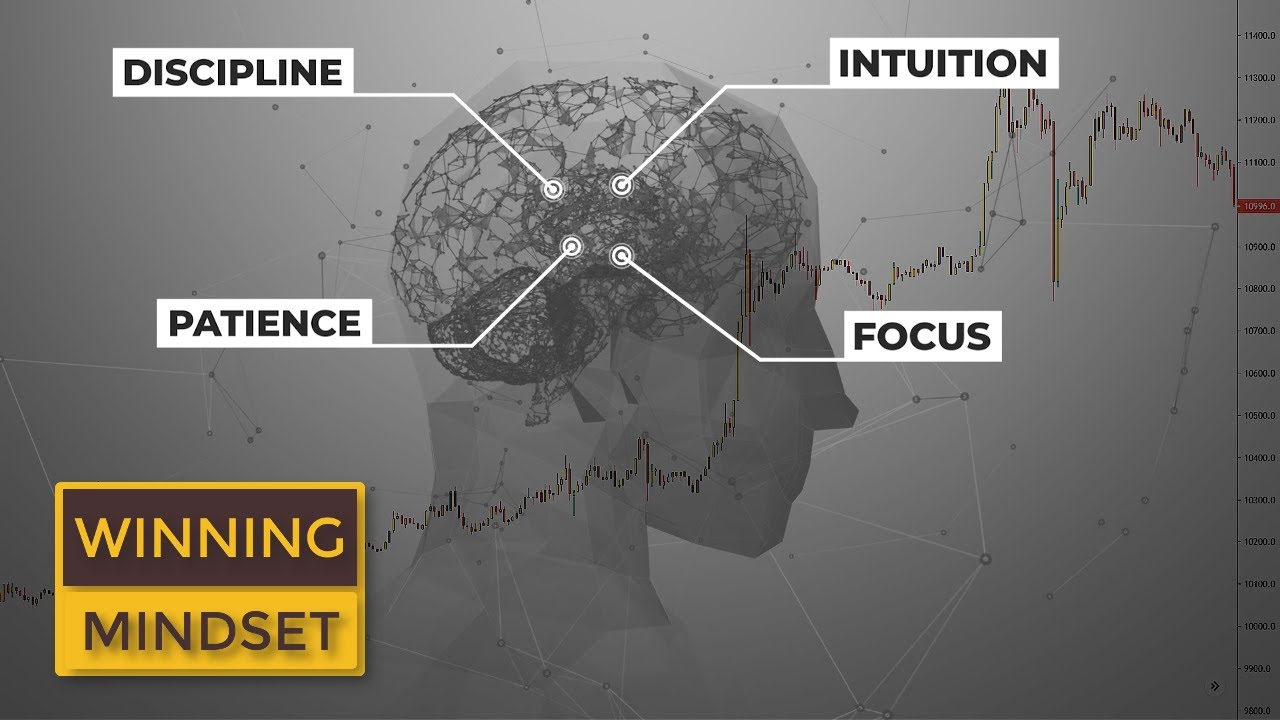
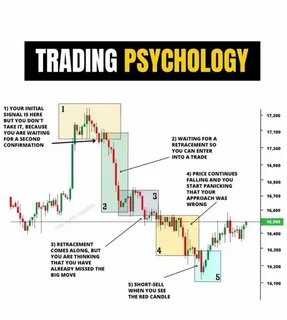
Every trade you place triggers emotions. Fear, greed, excitement, doubt, hope, and frustration quietly influence decisions in ways most traders do not even realize. You might hesitate to enter a valid setup because of fear. You might close a winning trade too early because of anxiety. You might hold onto a losing trade longer than planned because of hope. These emotional trading decisions in forex slowly drain accounts and confidence, even when the technical analysis is correct.
This is why emotional trading discipline matters more than any indicator or strategy. The forex market is uncertain by nature. No setup guarantees a win. Every trade carries risk. When traders are not mentally prepared for this uncertainty, emotions take control. This leads to overtrading, revenge trading, poor forex risk management, and breaking well defined rules under pressure. Over time, these habits become destructive patterns that keep traders stuck in cycles of loss.
Trading mindset control is what allows professional traders to remain calm during drawdowns and disciplined during winning streaks. They understand that losses are part of the game and that consistency matters more than individual outcomes. Instead of reacting emotionally to every price movement, they focus on executing a proven process over and over again. This mental edge is what separates profitable traders from those who struggle.
For beginners, forex trading psychology often feels overwhelming. The fast paced nature of the market, combined with real money on the line, amplifies emotions quickly. Without proper psychological training, even the best technical knowledge can fail under pressure. This is why learning forex trading psychology techniques for beginners is just as important as learning how to read charts or place trades.
Fear and greed are the two strongest emotional forces in trading. Fear causes traders to miss opportunities or exit too early. Greed pushes traders to overleverage, ignore risk limits, and chase profits. Understanding how to control these emotions is essential for long term success. The best strategies to control fear and greed in forex trading are rooted in discipline, risk management, and realistic expectations.
This guide is designed to help you identify the psychological mistakes forex traders make and how to avoid them. You will learn practical, proven strategies to eliminate emotional mistakes, strengthen your mindset, and trade with clarity and confidence. By mastering forex trading psychology, you give yourself a powerful advantage that most traders never develop.
Why Forex Trading Psychology Matters More Than Strategy
A solid strategy means nothing without the mental strength to follow it. Two traders can use the same setup and get completely different results because of psychology. One follows the plan calmly, the other panics, hesitates, or breaks rules under pressure.

Forex trading psychology influences how you react to losses, wins, drawdowns, and uncertainty. When emotions take control, discipline disappears. This leads to revenge trading, overleveraging, poor risk management, and eventually account blowouts.
Understanding and training your mindset is not optional. It is a core trading skill.
1. Accept That Losses Are Part of Trading
One of the biggest psychological mistakes forex traders make is trying to avoid losses at all costs. This mindset creates fear driven decisions such as closing trades too early or refusing to accept a valid stop loss.
Professional traders understand that losses are a normal business expense. A single loss does not define your ability as a trader. What matters is how well you manage risk over a series of trades.
Once you fully accept losses, emotional pressure reduces. You stop trying to be right all the time and start focusing on consistency.
2. Use Strict Forex Risk Management Rules
Forex risk management is the foundation of emotional control. When you risk too much on a single trade, emotions automatically take over. Fear increases, patience disappears, and decision making becomes irrational.
A simple rule that works is risking only a small percentage of your account per trade. This keeps losses manageable and protects your confidence. When you know a loss will not significantly hurt your account, it becomes easier to follow your plan calmly.
Good risk management supports emotional trading discipline naturally.
3. Trade With a Written Plan and Follow It
Trading without a plan is one of the fastest ways to fall into emotional trading decisions in forex. A written trading plan removes guesswork and reduces impulsive actions.
Your plan should clearly define entry rules, stop loss placement, take profit targets, and risk parameters. When the rules are clear, your job is simply execution.
This structure helps with trading mindset control because decisions are made before emotions enter the picture. You are no longer reacting, you are executing.
4. Stop Watching Every Tick
Constantly monitoring price movement fuels anxiety and fear. Watching every candle form can push you into premature exits or unnecessary trade adjustments.
Set your trade, define your stop loss and take profit, and step away. Trust your analysis. Over monitoring creates emotional attachment to trades and increases stress.
Reducing screen time is one of the most effective forex trading psychology techniques for beginners.
5. Control Fear and Greed With Realistic Expectations
Fear and greed are the two dominant emotions in trading. Fear makes you exit early or avoid good setups. Greed makes you overtrade, overleverage, or hold trades too long.
The solution is realistic expectations. Forex trading is not about doubling accounts overnight. It is about steady, controlled growth over time.
When expectations are realistic, pressure reduces. This makes it easier to apply the best strategies to control fear and greed in forex trading.
6. Review Your Trades Emotionally, Not Just Technically
Most traders only analyze charts and indicators, but ignore emotional behavior. Keeping a trading journal that includes emotional notes is a powerful mindset tool.

Record how you felt before, during, and after each trade. Note any fear, hesitation, excitement, or frustration. Over time, patterns will emerge.
This self awareness helps you identify psychological mistakes forex traders make and how to avoid them in future trades.
7. Build Confidence Through Consistency, Not Big Wins
Confidence built on luck or big wins is fragile. True confidence comes from consistent execution of your trading rules.
Focus on following your process instead of focusing on profits. When you execute your plan correctly, confidence grows naturally, even during losing streaks.
This mindset shift strengthens emotional trading discipline and keeps your psychology stable in all market conditions.
You can also trade with an automated system that is bult to handle all the work for you.
Summary:
Forex trading psychology is not a side topic or an optional skill. It is the foundation that determines whether your trading journey ends in frustration or long term consistency. Many traders enter the market believing success comes from finding a secret strategy or a perfect indicator. Over time, they discover that the real challenge is not the market itself, but their own reactions to it. Without emotional control, even the best technical setup can fail repeatedly.
Emotional trading decisions in forex often appear subtle at first. A small hesitation here, an early exit there, or an extra trade taken out of excitement may seem harmless. However, these actions compound over time and gradually erode both capital and confidence. This is why emotional trading discipline must be developed deliberately. Discipline is what allows you to follow your plan even when emotions are pulling you in the opposite direction.
Forex risk management plays a critical role in strengthening your mindset. When risk is controlled properly, pressure reduces and clarity improves. Traders who respect risk limits are less likely to panic during drawdowns or become reckless during winning streaks. Risk management protects more than your account balance. It protects your mental stability, which is essential for long term performance.
Trading mindset control also requires patience and realistic expectations. The forex market rewards consistency, not impulsiveness. Traders who expect quick riches often fall into greed driven behavior, while those who fear losses struggle to execute valid setups. By focusing on process over profits, you remove unnecessary emotional weight from each trade. Over time, this shift creates calm, confidence, and trust in your system.
For beginners especially, mastering forex trading psychology techniques is a turning point. The early stages of trading are where most psychological habits are formed. Learning to journal trades, review emotional behavior, and stick to predefined rules helps prevent destructive patterns from taking root. Self awareness becomes a powerful tool that allows you to correct mistakes before they become costly habits.
Fear and greed will always exist in trading. The goal is not to eliminate emotions entirely, but to manage them effectively. The best strategies to control fear and greed in forex trading involve structure, preparation, and repetition. A clear trading plan, strict risk rules, and consistent execution reduce emotional interference. Confidence then grows naturally through disciplined behavior, not lucky wins.
Understanding the psychological mistakes forex traders make and how to avoid them gives you a lasting edge. Most traders fail not because the market is unfair, but because they react emotionally under pressure. Those who succeed learn to think in probabilities, accept uncertainty, and stay focused on long term outcomes.
In the end, mastering forex trading psychology is a continuous process. It requires honesty, discipline, and commitment to self improvement. When you train your mind as seriously as you study charts, trading becomes clearer, calmer, and more controlled. Control your emotions, trust your process, and consistency will follow.
Frequently Asked Questions
1. What is forex trading psychology
Forex trading psychology refers to the mental and emotional state that influences how traders make decisions in the market, including how they handle fear, greed, losses, and wins.
2. Why is forex trading psychology important
It is important because emotions can override logic and cause traders to break rules, overtrade, or mismanage risk, even with a good strategy.
3. Can forex trading psychology affect profitability
Yes. Poor mindset control leads to emotional mistakes that reduce consistency and long term profitability.
4. What are emotional trading decisions in forex
These are trades made based on fear, greed, excitement, or frustration instead of following a structured trading plan.
5. How do emotions impact forex trading
Emotions cause hesitation, impulsive entries, early exits, revenge trading, and ignoring stop losses.
6. What is emotional trading discipline
It is the ability to follow your trading rules consistently regardless of emotions or market conditions.
7. Why do traders struggle with emotional discipline
Because real money is involved, uncertainty is constant, and most traders lack proper psychological training.
8. How can beginners improve forex trading psychology
By using small risk, following a written plan, journaling trades, and focusing on consistency rather than profits.
9. What is the biggest psychological mistake forex traders make
Trying to avoid losses instead of accepting them as part of trading.
10. How does fear affect forex trading
Fear causes traders to miss good setups, exit winning trades too early, or avoid trading altogether.
11. How does greed affect forex trading
Greed leads to overtrading, overleveraging, holding trades too long, and chasing profits.
12. What is trading mindset control
It is the ability to remain calm, disciplined, and focused while executing a trading plan.
13. Can mindset alone make a trader profitable
Mindset alone is not enough, but without it, no strategy can perform consistently.
14. What role does forex risk management play in psychology
Proper risk management reduces emotional pressure and helps traders stay calm and disciplined.
15. How much should I risk per trade to control emotions
Most traders risk a small percentage per trade to keep losses manageable and emotions under control.
16. Why do traders overtrade
Overtrading is often driven by greed, boredom, fear of missing out, or revenge after losses.
17. What is revenge trading
It is placing impulsive trades after a loss in an attempt to recover money quickly.
18. How can I stop revenge trading
By taking breaks after losses, sticking to daily trade limits, and reviewing your trading plan.
19. Why is accepting losses important
Accepting losses removes fear and allows you to focus on long term consistency instead of short term outcomes.
20. How does a trading plan help psychology
A trading plan removes guesswork and reduces emotional decision making.
21. What should a trading plan include
Clear rules for entries, exits, stop loss, take profit, and risk management.
22. Why do traders break their own rules
Because emotions take over during live market conditions.
23. How can I stop breaking my trading rules
By reducing risk, simplifying your strategy, and tracking emotional behavior in a journal.
24. What is a trading journal
A record of trades that includes entry reasons, outcomes, and emotional state.
25. Why is journaling important for mindset control
It helps identify emotional patterns and recurring psychological mistakes.
26. Can confidence improve forex trading results
Yes. Confidence built through consistent execution improves discipline and decision making.
27. Why is confidence dangerous if built on big wins
Because it leads to overconfidence and risky behavior when luck changes.
28. How should confidence be built in trading
Through consistent rule following and disciplined execution.
29. Should traders watch trades constantly
No. Constant monitoring increases stress and emotional attachment.
30. How does screen time affect trading psychology
Too much screen time increases anxiety and impulsive decisions.
31. What is fear of missing out in forex trading
It is the urge to enter trades impulsively because price is moving fast.
32. How can traders control fear of missing out
By trusting their plan and accepting that opportunities are endless.
33. Why do traders hesitate to enter trades
Fear of loss, previous bad experiences, or lack of confidence.
34. How can hesitation be reduced
By backtesting strategies and reducing position size.
35. What is psychological drawdown
It is the emotional stress traders experience during losing periods.
36. How can traders handle drawdowns better
By focusing on process, reducing risk, and maintaining realistic expectations.
37. Why do beginners struggle with forex psychology
Because they lack experience, patience, and emotional control.
38. Is forex trading psychology learned or natural
It is learned through experience, discipline, and self awareness.
39. Can automation help emotional trading discipline
Yes. Automated systems remove emotional decision making from execution.
40. Why do traders abandon good strategies
Because emotions cause them to lose trust after short term losses.
41. How long does it take to master forex trading psychology
It varies, but consistent practice over months and years is required.
42. What mindset do professional traders have
They think in probabilities and focus on long term results.
43. Why is patience important in forex trading
Because forcing trades leads to emotional mistakes.
44. How do expectations affect trading psychology
Unrealistic expectations increase pressure and emotional reactions.
45. What is the best way to control fear and greed
Through structure, risk management, and consistent execution.
46. Should emotions be eliminated in trading
No. They should be managed, not eliminated.
47. Can stress affect forex trading decisions
Yes. Stress reduces clarity and increases impulsive behavior.
48. How can traders reduce trading stress
By reducing risk, limiting screen time, and having clear rules.
49. What separates profitable traders psychologically
Discipline, patience, and emotional control.
50. What is the key takeaway about forex trading psychology
Mastering your mindset is as important as mastering your strategy, and it determines long term success.