Forex Broker: 9 Shocking Truths You Must Know Before Choosing the Best Forex Broker for Beginners 2026
Introduction
Choosing the right forex broker is one of the most critical decisions a trader will ever make. For beginners, this decision can mean the difference between consistent profits and repeated losses. With the forex market projected to grow significantly by 2026, the number of online brokers vying for your attention has skyrocketed. Every broker promises low spreads, fast execution, high leverage, and cutting-edge trading platforms, but not all brokers are created equal. Many beginners get enticed by flashy marketing, only to discover hidden fees, slow order execution, or unregulated operations that can compromise their trading account.

A broker is not just a platform for executing trades. They are the foundation of your trading experience, determining everything from your order execution speed to the reliability of withdrawals and access to market information. A reputable regulated forex broker protects your funds, ensures transparency, and provides the support necessary to navigate the highly dynamic forex market. Conversely, choosing the wrong broker can lead to account freezes, unresponsive support, and in extreme cases, complete loss of your capital.
Beginners often underestimate the importance of understanding a broker’s regulatory status, account types, and trading conditions. Many focus solely on spreads or leverage without realizing that a broker’s execution speed, order handling, and platform reliability are equally critical. Additionally, automated trading strategies, increasingly popular among retail traders, require brokers that support MetaTrader 4 or 5, offer VPS hosting, and allow API access. Selecting a broker that does not support automation can severely limit your trading options.
Another overlooked factor is emotional discipline and trading behavior. Even the best online forex broker cannot prevent losses if traders overtrade, chase losses, or fail to manage risk effectively. Emotional discipline, combined with the right broker, is essential for consistent trading. Many beginners experience FOMO, trading on every signal or news event, which can lead to chronic overtrading and rapid capital depletion. This is why understanding broker policies, spreads, fees, and trading support is not optional—it is mandatory for survival in the market.
This guide explores 9 shocking truths every beginner must know before choosing a broker in 2026. From the importance of regulation and reputation to execution speed, hidden costs, automated trading support, and the dangers of overtrading, this post covers every aspect that can influence your trading success. By reading this guide, you will gain a clear understanding of how to identify the best forex broker for beginners 2027, avoid scams, and select a platform that aligns with your trading style and risk tolerance.
Ultimately, trading is not about finding the “perfect broker” but about making informed decisions that maximize safety, efficiency, and profitability. Knowledge is your first line of defense. With the right broker and disciplined trading habits, you can navigate the forex market confidently, reduce unnecessary risks, and increase your chances of long-term success. This article will give you the tools, insights, and actionable knowledge to make that choice with confidence, ensuring your trading journey starts on solid ground.
Truth 1: Not All Forex Brokers Are Regulated
Regulation is non-negotiable. A regulated forex broker operates under strict financial guidelines that ensure transparency and protect your funds. Brokers licensed by authorities such as the FCA (UK), ASIC (Australia), CySEC (Europe), or NFA (USA) are subject to regular audits and must maintain client fund segregation.

Why regulation matters:
- Protects against broker insolvency
- Ensures fair execution and transparency
- Provides recourse in case of disputes
Red flags to watch for:
- Brokers claiming offshore licenses with little credibility
- No verification documents on their website
- Unrealistic profit promises or aggressive marketing
For a verified list of regulated brokers, check the FCA Financial Services Register.
Truth 2: Low Spreads Are Not Always Beneficial
Many brokers attract beginners with low spreads. While this seems advantageous, low spreads can be misleading. Some brokers compensate for low spreads by charging:
- Hidden commissions per trade
- Overnight financing or swap fees
- Higher slippage during volatile periods
Tip: Always evaluate the broker’s total trading costs, including all fees, not just advertised spreads. A regulated online forex broker with low spreads ensures these costs are disclosed upfront.
Truth 3: Execution Speed Can Make or Break Your Trading
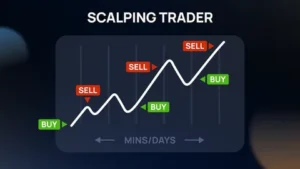
Execution speed is critical, especially if you are using scalping or automated trading strategies. Slow execution can lead to:
- Delayed order fills
- Requotes and slippage
- Missed opportunities
A reliable forex broker with fast execution and low fees ensures that your trades are processed quickly and at the prices you expect. Check if the broker provides access to VPS hosting or dedicated servers to minimize latency.
For an in-depth explanation of how execution speed affects trading, see Investopedia’s guide on slippage.
Truth 4: Automated Trading Support Is Not Universal
If you plan to use forex robots or automated strategies, not all brokers will accommodate them. Before committing, check whether your broker supports:
- MetaTrader 4/5 platforms
- VPS hosting for uninterrupted trading
- API access for custom algorithm integration
Some brokers restrict certain automated strategies or penalize high-frequency trading. Choosing a top forex broker for automated trading strategies ensures your system can function without limits.
Truth 5: Customer Support Can Save Your Account
Even the best broker cannot replace human support. Fast and knowledgeable customer service is crucial for resolving issues such as:
- Withdrawal delays
- Platform technical problems
- Verification and account access issues
Tips for assessing support quality:
- Availability 24/7 with live chat or phone support
- Multilingual support
- Prompt resolution times
A broker with weak customer support can turn minor technical issues into major account problems.
Truth 6: Account Types and Minimum Deposits Affect Flexibility
Beginners often overlook account types. Some brokers offer multiple options, while others require high minimum deposits:
- Micro accounts allow beginners to start small
- Standard accounts are suited for experienced traders
- Demo accounts enable strategy testing without real money
Choosing a broker that aligns with your capital and experience level is key to preventing unnecessary risk exposure.
Truth 7: Overtrading Is a Silent Account Killer
Even with a best forex broker for beginners 2027, overtrading remains one of the biggest challenges. Overtrading occurs when traders:
- Chase losses after a losing streak
- Trade during low liquidity periods
- Ignore risk management rules
Solutions for consistent trading discipline:
- Set daily trade limits
- Stick to a trading plan
- Use session filters and volatility checks
Combining automation with emotional discipline can help prevent chronic overtrading.
Truth 8: Hidden Fees Can Erode Profits
Some brokers advertise low spreads but add hidden fees such as:
- Swap fees for holding trades overnight
- Withdrawal and account maintenance fees
- Inactivity charges
Always read the broker’s fee schedule carefully and compare the total trading costs before opening an account.
Truth 9: Reputation and Transparency Are Critical
Finally, always consider the broker’s reputation:
- Research online reviews and forums
- Verify regulatory claims
- Avoid brokers with repeated complaints about fund withdrawals or manipulation
A reliable forex broker with fast execution and low fees will maintain transparency, clear policies, and consistent track records.
Forex Broker Comparison Table
| Feature | Beginner Friendly | Automated Trading Support | Regulation | Execution Speed | Fees | Customer Support |
|---|---|---|---|---|---|---|
| Broker A | High | Yes | FCA | Fast | Low | 24/7 |
| Broker B | Medium | Limited | ASIC | Moderate | Medium | Business hours |
| Broker C | Low | No | Unregulated | Slow | High | Limited |
This table helps beginners quickly assess and compare brokers based on critical factors.
Watch how to choose brokers on youtube
Causes and Solutions for Chronic Overtrading
Even with a reliable broker, traders can lose money due to overtrading:
Causes:
- Emotional reactions to losses
- FOMO after missed trades
- Lack of clear trading plan
Solutions:
- Use automated trade limits
- Develop a structured trading plan
- Practice patience and risk management
Summary
Choosing the right forex broker is the cornerstone of successful trading, particularly for beginners. The forex market is one of the largest and most liquid financial markets in the world, and by 2026, retail trading is expected to grow exponentially. With hundreds of brokers competing online, the decision is no longer just about low spreads or flashy marketing—it is about reliability, regulation, and long-term profitability. Many traders fall into the trap of selecting a broker based on superficial factors, only to face hidden fees, slow execution, or unregulated operations that can jeopardize their trading account. Understanding what differentiates a trustworthy broker from a risky one is critical for anyone serious about trading.
One of the most important aspects to consider is regulation. A regulated forex broker operates under strict financial guidelines imposed by authorities like the FCA, ASIC, CySEC, or NFA. Regulation ensures that your funds are protected, orders are executed fairly, and the broker is regularly audited for compliance. Unregulated brokers, often operating offshore, may promise attractive terms but carry high risks, including account freezes, withdrawal issues, or fraudulent activity.
Another key factor is trading costs. While low spreads are attractive, they may be accompanied by hidden fees such as commissions, overnight swaps, or account maintenance charges. Evaluating the total trading costs is essential, as seemingly “cheap” brokers can erode profits quickly. Equally important is execution speed. Delays in order execution, slippage, or requotes can make a significant difference, especially for scalping strategies or automated trading systems. A reliable forex broker with fast execution and low fees ensures your trades are executed at intended prices, reducing the risk of losses caused by latency or delayed fills.
Automated trading is another consideration for modern traders. Not all brokers support forex robots like VTM AIor algorithmic trading. To maximize the benefits of automation, choose a broker that allows MetaTrader 4/5 integration, VPS hosting, and API access for custom strategies. Brokers that restrict automated trading can limit your potential and prevent you from implementing systematic approaches that enhance consistency.
Emotional discipline is a silent but powerful factor in trading success. Even the best broker cannot prevent losses if traders overtrade, chase losses, or ignore risk management rules. Chronic overtrading is a common pitfall for beginners and often results from FOMO or impulsive decisions. Implementing clear trading plans, setting daily trade limits, and utilizing session filters are effective ways to manage emotional trading.
Other important considerations include account types, minimum deposits, customer support quality, and overall broker reputation. A broker that provides flexible account options, responsive support, and transparent policies enhances your ability to trade confidently and safely. Checking verified reviews, community feedback, and regulatory compliance records can protect against unreliable brokers.
In conclusion, selecting the best forex broker for beginners 2027 is about more than spreads or leverage. It requires careful evaluation of regulation, execution speed, fees, automation support, reputation, and emotional discipline strategies. By understanding these nine shocking truths, beginners can avoid common pitfalls, protect their capital, and set a foundation for long-term trading success. Knowledge and informed decision-making remain the most powerful tools in navigating the forex market effectively.
FAQ on Best Broker
1. What is a forex broker?
A forex broker is a financial service provider that allows traders to buy and sell currencies in the foreign exchange market. They act as intermediaries between you and the global forex market, providing trading platforms, leverage, and access to currency pairs.
2. How do I choose the best forex broker for beginners?
Look for regulation, low fees, reliable execution, demo account availability, beginner-friendly platforms, good customer support, and educational resources. Verify reputation through reviews and trading forums.
3. What is a regulated forex broker and why is it important?
A regulated broker complies with financial authorities such as FCA, ASIC, CySEC, or NFA. Regulation ensures fund protection, transparency, and fair trade execution, reducing risks of fraud or account mismanagement.
4. Can I trust unregulated forex brokers?
Unregulated brokers carry high risk. They may offer attractive spreads or leverage but lack investor protection. Beginners should avoid unregulated brokers to safeguard their capital.
5. What is the difference between online forex brokers and traditional brokers?
Online brokers operate entirely on digital platforms with low fees and faster execution, while traditional brokers may offer personalized services but often charge higher commissions.
6. How do forex brokers make money?
Brokers earn through spreads (difference between buy and sell prices), commissions per trade, overnight swap fees, and sometimes account maintenance or withdrawal fees.
7. Are low spreads always better?
Not necessarily. Some brokers with low spreads add hidden fees or suffer from slippage. Always check total trading costs, including commissions and swap rates.
8. What are hidden fees in forex trading?
Hidden fees include overnight swaps, inactivity charges, withdrawal fees, and sometimes spreads that widen during volatility. Reading the broker’s fine print is essential.
9. How does execution speed affect my trades?
Slow execution can result in slippage, requotes, and missed opportunities. Fast execution is crucial for scalping, day trading, and automated strategies.
10. What is slippage in forex trading?
Slippage occurs when your order executes at a different price than expected, often due to market volatility or slow execution. It can affect profits and losses.
11. Do all brokers support automated trading strategies?
No. Only brokers with platforms like MetaTrader 4/5, VPS support, and API access allow automated strategies. Always confirm before using forex robots.
12. What are forex robots and how do they work?
Forex robots are automated programs that execute trades based on pre-defined strategies. They analyze market data, identify opportunities, and place trades without human intervention.
13. How can I check if a broker supports forex robots?
Look for MetaTrader compatibility, VPS hosting options, API access, and broker documentation stating support for automated trading.
14. What is the best broker for automated trading in 2026?
A top broker should offer MT4/5 platforms, VPS support, low latency execution, and regulation. Examples include IG Markets and XM.
15. Can beginners use automated trading safely?
Yes, if they understand the strategy, use proper risk management, and start with demo accounts or small capital. Avoid overleveraging automated systems.
16. How do I verify if a forex broker is regulated?
Check the official regulator websites like FCA, ASIC, or CySEC for the broker’s license number and registration status.
17. Which regulatory bodies are trustworthy for forex brokers?
FCA (UK), ASIC (Australia), NFA (USA), CySEC (Europe), and BaFin (Germany) are reputable regulatory authorities.
18. What is the minimum deposit required for beginners?
It varies by broker, ranging from $1 to $500. Beginners should start small to minimize risk and use micro accounts if available.
19. How do account types affect trading flexibility?
Different account types may offer varied leverage, spreads, and access to instruments. Beginners should choose accounts that allow gradual learning and risk management.
20. Should I use demo accounts before live trading?
Yes. Demo accounts allow testing strategies, familiarizing with platforms, and understanding order execution without risking real money.
21. Can I switch brokers easily if I’m unhappy?
Yes, but check withdrawal policies, pending trades, and account transfer rules. Some brokers have restrictions or fees for closing accounts.
22. What are the risks of trading with high leverage?
High leverage magnifies profits and losses. Beginners can lose more than their initial capital if trades move against them.
23. How important is customer support in a broker?
Critical. Good support resolves technical issues, withdrawal delays, and account problems quickly, preventing unnecessary losses.
24. Do all brokers offer the same currency pairs?
No. Some brokers focus on major pairs (EUR/USD, GBP/USD), while others offer exotic pairs or commodities. Check your trading preferences.
25. What is a spread in forex trading?
The spread is the difference between the bid and ask price. It represents the broker’s primary source of income. Lower spreads reduce trading costs.
26. How do withdrawal processes work?
Withdrawals depend on broker policies and verification. Regulated brokers usually process requests within 24–72 hours.
27. Are online forex brokers safe?
Regulated online brokers are generally safe. Avoid unregulated brokers and always verify licensing.
28. Can I trade forex on mobile devices?
Yes, most brokers provide mobile apps compatible with iOS and Android, allowing trading on the go.
29. What is a demo account and why is it useful?
A demo account is a practice account with virtual funds. It allows beginners to learn trading without risking real money.
30. How do I avoid overtrading?
Set daily trade limits, stick to a trading plan, use risk management, and avoid emotional trading decisions.
31. Are low-cost brokers always reliable?
Not always. Some low-cost brokers may compromise on execution speed, customer support, or regulation.
32. What is slippage, and how can I reduce it?
Slippage is when trades execute at unintended prices. Reduce it by trading with regulated brokers, avoiding low liquidity hours, and using limit orders.
33. What is the difference between market orders and limit orders?
Market orders execute immediately at current prices, while limit orders execute at specified prices or better, reducing slippage risks.
34. Do brokers offer bonuses for new accounts?
Yes, some brokers offer deposit bonuses, cashback, or free trades, but always read terms as restrictions often apply.
35. Can beginners trade multiple pairs at once?
Yes, but managing multiple pairs requires discipline. Overtrading can increase risk.
36. What is account leverage and how does it work?
Leverage allows trading larger positions than your capital. It magnifies profits and losses; beginners should use low leverage.
37. Can I automate risk management?
Yes, stop-loss and take-profit orders can be automated, reducing emotional decision-making.
38. How important is broker transparency?
Transparency ensures all fees, policies, and trading conditions are clear, reducing surprises and risks.
39. Can I trade forex with $100?
Yes, many brokers allow micro accounts with $100 minimum deposit, suitable for beginners.
40. What is the difference between ECN and standard accounts?
ECN accounts offer direct market access with tighter spreads and commissions. Standard accounts have wider spreads but no commissions.
41. How do I test a forex broker before depositing?
Use demo accounts, research reviews, check regulation, and test platform performance before funding a live account.
42. Are all brokers compatible with forex robots?
No. Only brokers supporting MT4/5, VPS, and API access allow reliable automated trading.
43. How can I identify unreliable brokers?
Look for lack of regulation, poor reviews, hidden fees, slow execution, and unresponsive support.
44. Can I use multiple brokers simultaneously?
Yes, using multiple brokers can diversify risk, access different spreads, or support automated strategies.
45. What is the best time to trade forex?
High liquidity periods, such as London and New York sessions, reduce spreads and slippage. Avoid low-liquidity periods for better execution.
46. Can brokers manipulate prices?
Regulated brokers are unlikely to manipulate prices. Unregulated brokers may pose risks, emphasizing the importance of verification.
47. Do brokers offer educational resources?
Many brokers provide tutorials, webinars, and demo accounts, especially beginner-focused platforms.
48. How often should I review my broker?
Review your broker regularly for spreads, fees, execution speed, and customer support performance to ensure continued reliability.
49. Can forex robots work without supervision?
Yes, but beginners should monitor trades and ensure strategies adapt to changing market conditions.
50. Why is emotional discipline critical with any broker?
Even with the best broker, poor emotional control can lead to overtrading, chasing losses, and account depletion. Discipline ensures consistent trading and capital preservation.